In 2025, a quiet revolution is reshaping the way we design and experience our homes. The shift? A move away from perfectly styled, high-maintenance interiors toward a new aesthetic rooted in peace, comfort, and intentionality. This philosophy—known as restful design—is about more than just minimalism or hygge-inspired vibes. It’s a conscious response to overstimulation, digital burnout, and the rising desire for spaces that restore, not overwhelm. In this era, a well-designed home isn’t the one that looks flawless—it’s the one that feels like a sigh of relief.
The End of “Picture-Perfect” Living
For years, interior trends were driven by idealized lifestyles: pristine white couches, curated color palettes, and spotless kitchen counters. But as people continue to prioritize mental wellness and balance in 2025, the idea of perfection has lost its appeal. Instead, homes are being designed for how they function, how they feel, and how they support everyday life—not how they look on social media.
Restful design rejects the pressure to impress and replaces it with permission to exhale. That might mean soft, wrinkled linen throws, furniture that’s made to be used—not just displayed—or corners left intentionally empty for light and space to breathe.
Designing for the Nervous System
One of the foundations of restful design is understanding how environments affect our mood and nervous system. In 2025, home design isn’t just about aesthetics—it’s about energy. From natural light and muted tones to rounded furniture edges and sound-softening materials, designers are leaning into choices that reduce stress and sensory overload.
Color psychology plays a key role in this shift. Warm neutrals, earth tones, sage greens, and soft blues are dominating interiors for their calming effects. The focus is no longer about “trendy”—it’s about how a space helps you feel grounded.
The Furniture of Function and Flow
Restful design emphasizes flow over formality. In many homes, that looks like furniture that invites you to rest—a deep sofa you can sink into, or a reading chair placed near a window with a cozy blanket nearby. It also means creating space between pieces, allowing for easy movement and a sense of openness.
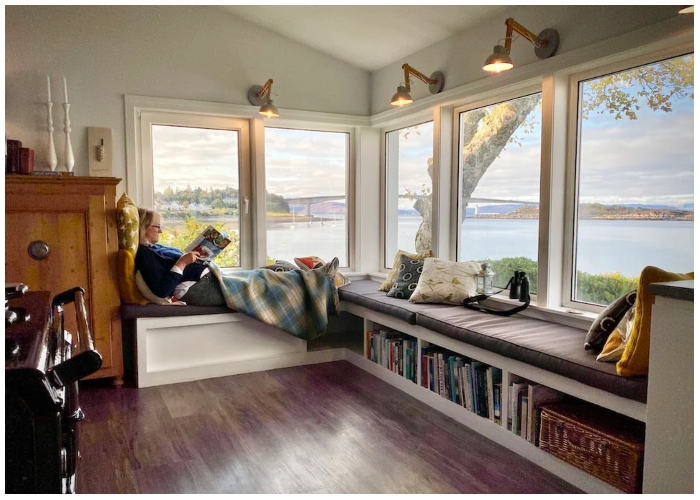
Multifunctional pieces are common in restful spaces, but not in a gimmicky way. Ottomans that offer both storage and a place to prop your feet, desks that double as meditation nooks, or bed frames with built-in shelving—each element serves a purpose without adding visual or mental clutter.
Materials That Soothe, Not Shout
The materials used in restful interiors are as intentional as the layout. In 2025, people are gravitating toward textures that comfort: soft cotton, linen, unfinished wood, stone, and woven natural fibers. These elements invite touch and interaction, encouraging us to slow down and engage with our environment.
Synthetic shine is giving way to tactile warmth. Matte finishes, imperfect surfaces, and handmade touches remind us that homes are for living, not just showcasing. These textures also support the emotional tone of the space—natural, relaxed, and imperfectly beautiful.
Personal Space Over Public Perception
Another defining aspect of restful design is its deeply personal nature. Instead of creating spaces based on trends or guest expectations, homeowners are designing around their real lives—what they need, what they love, and how they want to feel.
That means cozy reading corners, meditation areas, indoor plant nooks, or music listening spaces that might not be part of traditional layouts but serve real emotional needs. In 2025, the most beautiful homes are the ones that reflect their inhabitants—not Pinterest boards.
Rest as a Design Priority
Above all, restful design acknowledges rest as a core human need—not an afterthought. Bedrooms are being reimagined as sleep sanctuaries with layered lighting, blackout curtains, and soothing soundscapes. Bathrooms are designed for spa-like escapes. Even living rooms are less focused on TV-centered layouts and more on comfort-centered conversation or stillness.
This design approach also extends to the invisible: noise levels, air quality, natural light cycles. Homeowners are investing in better ventilation, smart curtains that follow circadian rhythms, and air-purifying greenery to make their homes not only restful but regenerative.
In 2025, the most desired homes aren’t the ones that look flawless—they’re the ones that feel like a warm embrace at the end of a long day. Restful design isn’t just a style—it’s a mindset. It prioritizes peace over polish, comfort over competition, and authenticity over appearance. As more people seek refuge from a noisy, fast-paced world, this quiet design revolution is helping us return to what matters: creating homes that help us rest, reset, and truly feel at home.