In 2025, the art world is experiencing a massive shift—one that’s powered by algorithms, not paintbrushes. AI-generated art has gone from niche experimentation to mainstream phenomenon. From surreal digital portraits to music composed in seconds, artificial intelligence is reshaping how art is made, shared, and valued. But as AI tools become more advanced, a critical question emerges: Is this a creative revolution—or a cultural disruption?
AI Tools Redefine the Creative Process
Thanks to accessible platforms like DALL·E, Midjourney, and Sora, everyday users can now generate stunning visuals and animations with just a few prompts. Writers are experimenting with story generators, musicians are remixing AI-composed beats, and designers are blending human touch with machine precision. What used to take hours of manual effort can now be done in minutes.
For many creators, AI has become a collaborative partner. It offers inspiration, speeds up workflows, and helps overcome creative blocks. In this sense, AI is empowering more people to create—even those who don’t consider themselves artists.
Art for All—or Art That’s Lost Something?
While AI has democratized the act of making art, not everyone is celebrating. Critics argue that the rise of machine-made content dilutes the emotional depth and human narrative that traditional art carries. There’s concern that AI-generated pieces, though visually impressive, often lack soul, context, or real-world meaning.
Some fear we’re entering an era of aesthetic overload, where visual content is abundant but authenticity is harder to find. As beautifully rendered images flood platforms, many artists are asking: What happens to originality when anyone can type and create?
The Copyright and Credit Debate
One of the most heated conversations in 2025 revolves around ownership. AI art often borrows from vast databases of existing work, raising ethical questions: Who owns the final image—the user or the model that trained on thousands of real artists’ pieces? Should AI-generated work be protected by copyright? And how should original creators be credited when their styles are used to teach machines?
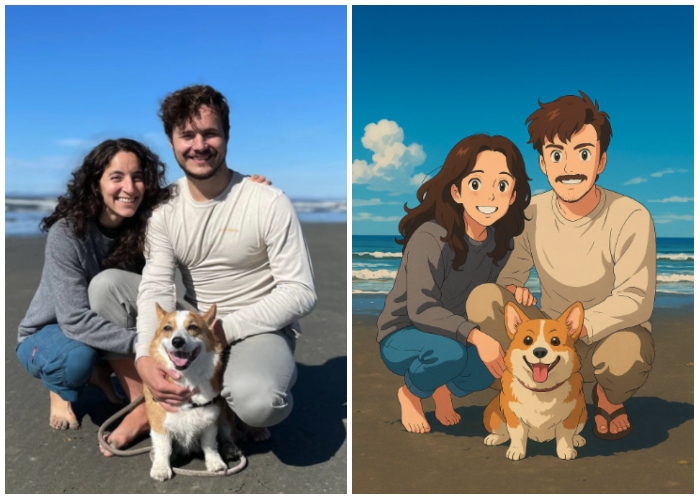
Legal systems around the world are scrambling to keep up. Some countries are drafting AI-specific copyright laws, while others are still debating whether machine-generated content qualifies as art in a legal sense at all.
Cultural Tensions in the Creative Economy
The boom in AI art is also changing how creative work is valued—and who gets paid for it. Freelancers, illustrators, and digital artists are finding themselves competing with free or low-cost AI tools that can generate similar outputs in seconds. This has sparked protests, platform boycotts, and calls for stronger protections for human-made content.
At the same time, some artists are embracing AI as a tool—not a replacement. They’re using it to test ideas, generate rough drafts, or enhance their vision, blending human emotion with machine precision in new and exciting ways.
New Art Forms, New Audiences
Despite the controversies, AI is also opening doors to entirely new forms of creativity. Interactive exhibitions, AI-generated poetry, and real-time generative music experiences are redefining how people engage with art. Audiences aren’t just viewers anymore—they’re participants, often influencing the output through prompts, clicks, or conversation.
AI is also expanding access. People who never considered themselves artists are now exploring creativity in ways they couldn’t before. For some, it’s not about replacing traditional methods—it’s about exploring new forms of expression in a rapidly evolving digital world.
The Role of Human Intent
Many creators believe that the future of art isn’t AI or human—it’s both. What makes art meaningful, they argue, is not just how it’s made, but why it’s made. A painting created with a specific emotion or a song reflecting lived experience still holds power in ways AI can’t replicate.
In this light, AI becomes a tool—much like a camera or paintbrush—not the artist itself. The real value lies in human intent, interpretation, and imagination. When used thoughtfully, AI can enhance creativity rather than replace it.
The rise of AI art in 2025 is both thrilling and complicated. It’s sparking innovation, empowering new voices, and challenging long-held ideas about creativity. But it’s also raising urgent cultural and ethical questions about authorship, authenticity, and the future of artistic work. Whether you see it as a revolution or a disruption, one thing is certain: the conversation around AI and art is just beginning—and the outcome will shape the creative world for decades to come.