In 2025, a growing number of people are reclaiming their Sundays—not with productivity or errands, but with peace, purpose, and stillness. The slow morning movement, once a quiet trend among wellness influencers, has evolved into a full-blown cultural shift. Across age groups and cities, Sundays have become sacred for sleeping in, brewing coffee slowly, lighting candles, and savoring the moment—without rushing toward the week ahead. In a world driven by speed and screens, the rise of the slow Sunday is a radical return to rest.
Why We’re Slowing Down
Years of hustle culture and hyper-connectivity have left people feeling drained and mentally scattered. Between endless notifications, work-from-anywhere burnout, and the glorification of being “busy,” rest became something to squeeze in rather than prioritize. But 2025 marks a shift. People are no longer waiting for vacations or burnout to pause—they’re building intentional slowness into their weekly rhythm.
Sundays, once filled with to-do lists and last-minute prep, are now being reimagined as a day to reset. Slow mornings offer a counterbalance to the demands of modern life—inviting stillness, slowness, and a sense of presence that many had forgotten was possible.
What a Slow Sunday Morning Looks Like
The beauty of slow mornings lies in their simplicity. There’s no single formula, but a few elements are common: waking up without an alarm, drinking coffee or tea without rushing, listening to calming music or birds outside the window, and moving through the morning without checking emails or opening social media.
Some people read, journal, meditate, or cook breakfast from scratch. Others enjoy nature walks, stretch in silence, or simply sit and breathe. The goal isn’t to be productive—it’s to be present. These routines don’t follow a schedule; they flow naturally, according to what the body and mind need.
From Trend to Ritual
What started as a niche trend shared through aesthetic reels and cozy morning vlogs has grown into something more meaningful. The slow Sunday isn’t just a wellness tip—it’s become a weekly ritual that thousands now protect as a form of personal care. It’s no longer just about pretty mugs and soft lighting—it’s about emotional restoration and re-centering.
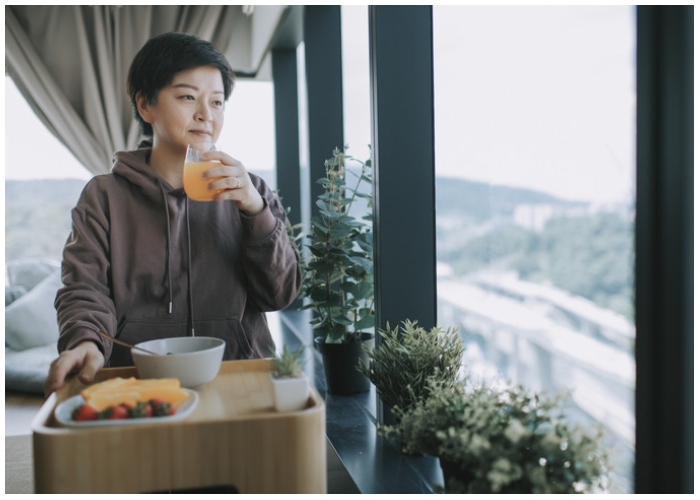
Influencers, therapists, and even corporate wellness advocates are embracing this shift. They encourage people to approach Sundays not as preparation for the workweek, but as a boundary that helps them start Monday from a place of clarity and calm.
The Mental Health Benefits
Mental health professionals have noted the benefits of building slow time into weekly routines. Taking one morning each week to intentionally disconnect and move at a slower pace helps regulate stress hormones, reduce anxiety, and create space for reflection. For people dealing with overstimulation or emotional fatigue, slow Sundays act as a mental reset.
In fact, studies are now showing that routines that include mindfulness, rest, and offline time can improve focus, emotional resilience, and even sleep quality. In 2025, more people are choosing to start their week well by doing less, not more.
A Movement Led by the Mindful Generation
Gen Z and millennials are leading the way in popularizing the slow morning lifestyle. On TikTok and Instagram, hashtags like #slowsunday, #cozymorning, and #mindfulrituals highlight videos of gentle wake-ups, candle-lit journaling, homemade breakfasts, and intentional rest. These posts aren’t about performance—they’re about connection and care.
This generation is actively rejecting hustle-for-the-sake-of-hustle culture. Instead, they’re creating rhythms that prioritize peace, presence, and mental health—without apology.
It’s Not Just for Sundays Anymore
While the movement began as a Sunday ritual, many are finding ways to incorporate slow moments into other parts of their week. Whether it’s a tech-free evening, a long breakfast on a Tuesday, or a quiet cup of tea before bed, people are redefining what balance looks like in everyday life.
Still, Sundays remain symbolic—a collective pause before the rush. In 2025, Sunday mornings are no longer just about sleeping in. They’re about waking up to yourself.
The rise of slow Sunday mornings is more than a cozy aesthetic—it’s a cultural correction. In a time when speed is expected and exhaustion is normalized, choosing to rest is a powerful act of self-preservation. The slow morning movement reminds us that we’re not machines—we’re human. And sometimes, the most important thing we can do is sit quietly, sip something warm, and simply be. Because in slowing down, we find our strength.