In 2025, Gen Z isn’t just passively absorbing news—they’re transforming the way it’s created, shared, and consumed. Born into a world of smartphones, social platforms, and nonstop digital noise, this generation is redefining what it means to stay informed. Traditional headlines and nightly newscasts don’t hold their attention. Instead, Gen Z is turning to social media, bite-sized content, and creators who speak their language. The result? A new era of news—faster, more interactive, and more personal than ever.
From News Outlets to News Feeds
For Gen Z, news doesn’t start with a front page—it starts with a scroll. Platforms like TikTok, Instagram, and YouTube have become major sources of daily information. Whether it’s a creator breaking down climate policy in 60 seconds or a trending post about a global protest, social media delivers news in real time, in formats Gen Z finds relatable and easy to engage with.
This shift doesn’t mean Gen Z is uninformed—quite the opposite. They’re accessing more information than previous generations but doing so in a way that aligns with their digital-first lifestyle. Short videos, visual explainers, and meme-style commentary dominate their news diet, often leading them to deeper research on their own terms.
Trust Is Earned, Not Assumed
Unlike previous generations that may have trusted established news brands by default, Gen Z questions everything. They value transparency, fact-checking, and authenticity. They’re more likely to cross-reference multiple sources, fact-check through apps or search engines, and spot biases quickly.
Creators who report the news—often called “newsfluencers”—gain trust not just through accuracy, but by being open about their point of view. Gen Z prefers a personal lens over a polished, impersonal delivery. They want to know who’s behind the story and why it matters to them.
Interactive News, Not Passive Watching
Gen Z isn’t satisfied with just consuming the news—they want to talk about it. Comment sections, reaction videos, and live discussions allow them to engage in conversations around major events. This active participation creates a sense of community around current issues, allowing for debate, shared learning, and awareness-building beyond headlines.
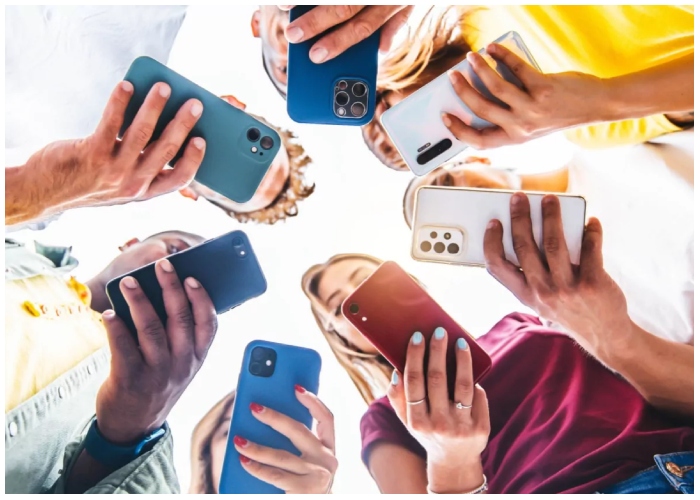
News is no longer a one-way conversation. Gen Z is asking questions, offering opinions, and expecting interaction. This approach creates a more engaged, informed generation—even if it looks different from traditional news habits.
Algorithms Shape the Headlines
In 2025, algorithms are often the gatekeepers of what news gets seen. Gen Z is well aware of this—and they’re curating their digital spaces to reflect what they care about. They follow creators who cover politics, climate, mental health, technology, and more, building personalized news ecosystems that prioritize relevance and accessibility.
But this also comes with risks. Echo chambers and misinformation are real challenges, and Gen Z knows it. That’s why many young people are also pushing for digital literacy education—so they can better navigate the flood of information they encounter daily.
Audio and Visual Formats Dominate
Long articles and formal broadcasts have taken a back seat to news podcasts, YouTube breakdowns, and Instagram carousels. Gen Z wants to consume news in formats that fit into their lives—on the go, during a workout, or between classes. Podcasts with personality, reels with quick updates, and infographic-style explainers are their go-to formats.
Visual storytelling, particularly through video, allows for a deeper emotional connection to the news. Gen Z doesn’t just want to know what happened—they want to understand how it affects real people, and what they can do about it.
Redefining What “News” Means
To Gen Z, news isn’t limited to politics or world events. Topics like mental health, climate action, social justice, LGBTQ+ rights, and online culture are all part of their regular news cycle. They view these issues as deeply relevant and want them covered with the same urgency and seriousness as traditional topics.
As a result, more creators and platforms are expanding their definitions of news, reflecting what matters most to younger audiences. It’s not about ignoring traditional journalism—it’s about updating it for a new generation of informed, values-driven readers.
Gen Z is changing the way news works—turning passive updates into interactive, personal experiences. In 2025, the future of journalism doesn’t lie solely in newspapers or primetime broadcasts. It lives in short videos, open conversations, and transparent storytelling. As this generation continues to shape the digital landscape, one thing is certain: staying informed will never look the same again.