In 2025, the internet may feel louder and faster than ever, but the most meaningful cultural changes aren’t coming from mass movements—they’re being sparked in micro-communities. These small, intentional groups are turning fleeting trends into lasting traditions. From book circles and DIY workshops to niche fandoms and digital safe spaces, micro-communities are redefining how culture is created, shared, and sustained. In a time when global connection is only a click away, more people are choosing to go small to feel seen, heard, and understood.
What Are Micro-Communities, Exactly?
Micro-communities are intimate, focused groups—online or offline—built around shared interests, values, or identities. Unlike broad social platforms that prioritize virality and scale, micro-communities prioritize authenticity, depth, and engagement. Think Discord servers for analog photography, group chats for home bakers, or neighborhood wellness collectives that meet every Sunday.
These spaces may be small, but they’re powerful. Members don’t just follow—they participate. They co-create content, set their own norms, and support one another in ways that algorithm-based feeds rarely allow.
From Follower Counts to Connection Counts
In previous years, influence was measured by numbers: likes, followers, and reach. But in 2025, the value is shifting toward impact. A creator with a tight-knit audience of 500 who hosts weekly discussions, supports member projects, and cultivates trust may now hold more cultural weight than someone with a million passive followers.
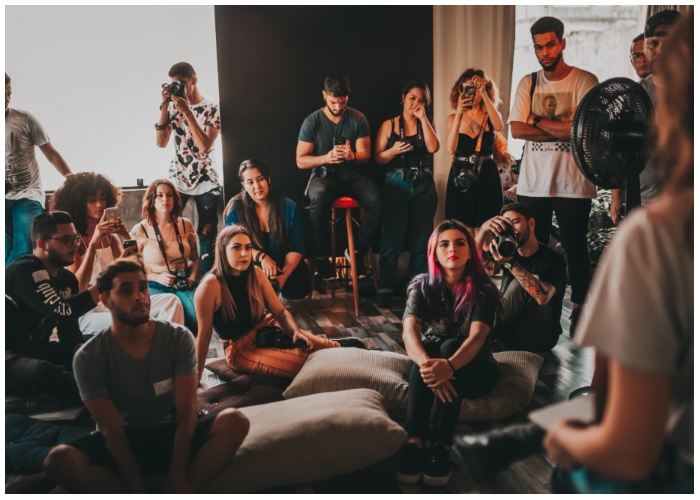
This shift has transformed how people consume and contribute to trends. Instead of hopping onto viral moments, micro-communities take time to build meaningful rituals around shared practices—whether that’s journaling, wellness routines, climate action, or fandom appreciation.
Turning Online Trends Into Real-Life Rituals
What makes micro-communities different in 2025 is their ability to transform fleeting online moments into sustained, real-life rituals. For example, a cozy reading habit promoted by a handful of creators evolved into monthly book clubs across the country. A trend in sourdough baking during lockdown years has grown into local grain co-ops and farmer-baker alliances.
It’s no longer just about what’s trendy—it’s about what sticks. People want to take ownership of their interests and create traditions that are not just consumed, but lived.
Culture That Moves at a Human Pace
In a world of 24/7 content cycles, micro-communities offer an alternative: culture that unfolds slowly. These groups allow members to engage at a sustainable pace, returning to favorite topics, rewatching content, or revisiting values that matter to them.
This kind of cultural rhythm supports mental well-being and reduces the fatigue that often comes from being “always on.” Members feel less pressure to perform, and more freedom to be honest, vulnerable, and collaborative.
The Power of Belonging
One of the biggest drivers of micro-community growth in 2025 is a renewed focus on belonging. As people navigate fragmented news cycles, identity politics, and algorithm-driven content, many are seeking grounded spaces where they feel safe, represented, and included.
These micro-communities are offering just that. They provide support systems, healing conversations, and even accountability partners. From sober-curious circles to creators with shared neurodivergent experiences, niche groups are becoming lifelines for those tired of trying to fit into mass narratives.
Shaping Culture from the Inside Out
What once started as hobbies or niche interests are now shaping wider culture. TV shows are consulting fandom groups. Brands are collaborating with micro-creators who reflect their audience’s true values. Educational platforms are partnering with community moderators who understand lived experience better than algorithms ever could.
Micro-communities are also pushing back on cultural appropriation, gatekeeping, and performative allyship. With their focus on shared experience and respect, these groups are setting new standards for cultural integrity and inclusion.
In 2025, culture isn’t just shaped by what goes viral—it’s shaped by what feels real. Micro-communities are proving that small, dedicated groups can build lasting movements, foster authentic traditions, and create spaces where people feel like they belong. As more individuals prioritize meaningful connection over mass attention, the future of culture looks more personal, more participatory, and more powerful than ever—because it’s built together, one small circle at a time.